Table of Contents
- Introduction
- What Are Meditation Beads
- How to Choose the Best Meditation Beads for You
- Tips for Getting Started with Meditation Beads
- Frequently Asked Questions
- Conclusion
Introduction
Finding the best meditation beads can elevate your practice from distracted to deeply focused. Whether you call them mala beads, prayer beads, or japa beads, these simple tools have helped meditators stay centered for thousands of years. In this guide, we walk through the different types of meditation beads available and how to select the ones that match your personal practice style.
What Are Meditation Beads
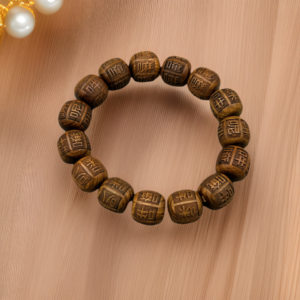
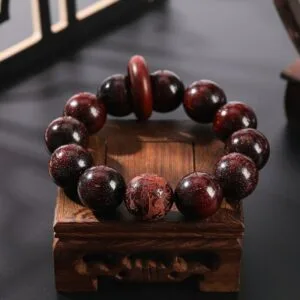
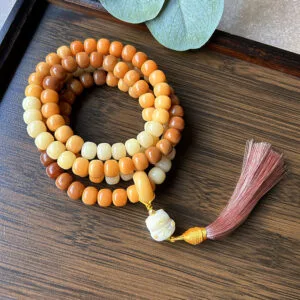
Meditation beads are tactile counting tools used during contemplative practice. Traditionally strung in sets of 108, they serve as a physical anchor for the mind — each bead invites one breath, one mantra, or one moment of presence. The gentle motion of moving from bead to bead creates a soothing rhythm that naturally quietens the mind.
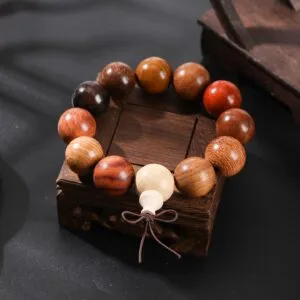
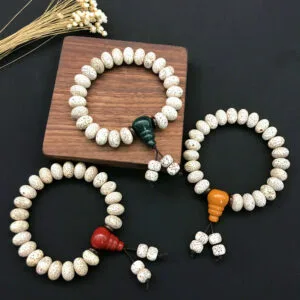
Different spiritual traditions use different materials. Buddhist malas often use bodhi seeds or sandalwood, Hindu japa malas favor rudraksha seeds or tulsi wood, while modern wellness practitioners enjoy gemstone beads like amethyst, rose quartz, or jade for their color and energetic qualities. The best meditation beads for you depend on what feels good in your hands and what intention you wish to cultivate.
Learn more about the different types in our post on 108 Mala Beads Meaning.
How to Choose the Best Meditation Beads for You
Follow these steps to find the perfect meditation beads for your practice:
Step 1: Identify Your Intention. Are you seeking calm, focus, spiritual connection, or stress relief? Your intention narrows the material choices — rose quartz for self-love, amethyst for tranquility, sandalwood for grounding.
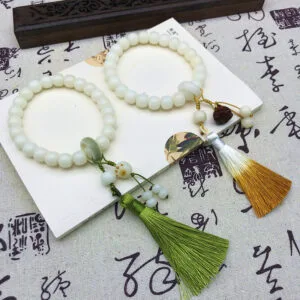
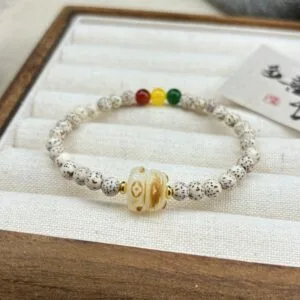
Step 2: Decide on Format. Wrist malas (18-27 beads) are portable and discreet, perfect for on-the-go mindfulness. Full malas (108 beads) are better for longer seated practices.
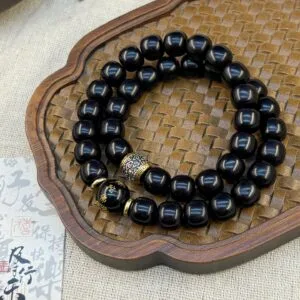
Step 3: Consider the Material. Wood beads are lightweight, warm, and durable. Gemstone beads have unique colors and a cooler feel. Seed beads (bodhi, rudraksha) carry traditional spiritual significance.
Step 4: Feel the Texture. The beads should feel comfortable in your hand. Test different bead sizes — smaller beads (6-8mm) offer a finer tactile experience, while larger beads (10-12mm) provide more substantial feedback.
Step 5: Check Quality. Look for securely knotted strands between each bead — this prevents loss and creates a better tactile experience. Quality silk or nylon cord with a sturdy tassel indicates good craftsmanship.
Browse our Grounding & Strength collection for meditation beads that support your practice.
Tips for Getting Started with Meditation Beads
Begin by simply holding your beads for a few minutes each day. Let them sit in your palm while you breathe, allowing the texture to become familiar. Start with short sessions — five minutes of bead-based breathing is enough to experience the calming effect. As you grow more comfortable, extend your sessions gradually. Keep your beads in a special pouch or altar space to maintain their energy and remind you of your practice. Read more tips in our article on How to Meditate with Mala Beads.
Frequently Asked Questions
What is the difference between mala beads and prayer beads?
While similar in function, mala beads are traditionally associated with Buddhist and Hindu meditation, while prayer beads (rosaries) are used in Christian traditions. Both serve as counting tools for repetitive spiritual practice.
Can beginners use meditation beads?
Absolutely. Meditation beads are especially helpful for beginners because the physical movement gives the mind a clear anchor, making it easier to stay focused and avoid distraction.
How many beads should my meditation mala have?
The most common count is 108 beads for full malas, but wrist malas with 18, 21, or 27 beads are also popular for daily wear and short practices.
Do meditation beads need to be blessed?
Not necessarily. Many practitioners choose to set an intention or perform a simple cleansing ritual, but the beads work whether blessed or not — it is your focus that matters most.
Can I make my own meditation beads?
Yes! Making your own mala can be a beautiful mindful practice. Choose your beads, cord, and guru bead, then string them with intention. Many find the process deeply meditative in itself.
Conclusion
The best meditation beads are the ones that call to you and support your practice day after day. Trust your intuition when choosing — the right set will feel like a natural extension of your mindfulness journey. Explore our Daily Rituals for tools that bring peace into every moment.