If you have ever felt curious about meditation but unsure where to begin, you are in good company. Many people imagine they need to empty their minds, sit for an hour, or master some special posture. The truth is far simpler. Mindfulness for beginners is about paying attention to the present moment, gently and without judgment, and that is something anyone can start today.
What mindfulness actually is
Mindfulness is the practice of noticing what is happening right now, in your body, your breath, and your surroundings, without getting swept away by it. It is not about stopping your thoughts. Thoughts will keep coming, and that is normal. The practice is simply noticing when your attention has wandered and bringing it back, kindly, again and again.
If you want to understand how this differs from meditation more broadly, our article on meditation vs mindfulness breaks down the distinction clearly.
Letting go of the myths
A few beliefs stop people before they start. Let us clear them up:
- You do not need to clear your mind. A busy mind is not failure. Noticing the busyness is the practice.
- You do not need a lot of time. A few minutes a day is a real and worthwhile practice.
- You do not need a special place. A chair, a bus seat, a kitchen counter all work fine.
- You do not need to be calm to begin. You practice precisely because the mind is restless.
A simple first practice
Here is a two-minute starting point you can try right now:
- Sit comfortably with your back reasonably upright.
- Let your eyes close or soften your gaze downward.
- Notice your breath, wherever you feel it most clearly.
- When your mind wanders, and it will, gently return your attention to the breath.
- After a couple of minutes, open your eyes and notice how you feel.
That is it. No special outcome required. You just practiced mindfulness.
Using an anchor
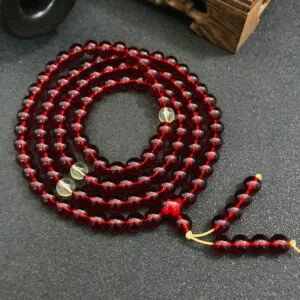
Beginners often find it easier to focus with something tactile to hold. A strand of beads gives the hands a gentle job while the mind settles, and moving one bead per breath naturally paces the practice. A simple, calming piece like The Glow 3 — for Return to Center works well for this. Our mala for beginners guide explains how to choose and use one.
Weaving it into daily life
Mindfulness is not confined to sitting still. You can bring the same quality of attention to everyday moments: really tasting your food, feeling the water as you wash dishes, noticing your feet as you walk. These small pockets of presence add up. For more on calming a stressed mind, our mindfulness techniques for stress relief offers practical options.
Being patient with yourself
The single most important thing for beginners is kindness. Your mind will wander constantly. That is not a problem to fix, it is the nature of minds. Each time you notice and return, you are strengthening the very skill you came to build. There is no perfect session, only practice.
Start small, start today
Mindfulness for beginners comes down to one gentle habit: returning to the present, over and over, with patience. Start with two minutes, use something to hold onto if it helps, and let the practice grow at its own pace. The present moment is always here, waiting for you to notice it.
How often should you practice? Consistency matters more than length. A short session every day builds the habit far better than one long session a week. Many beginners find that anchoring the practice to an existing routine, like right after brushing your teeth or before your first coffee, makes it much easier to remember.
It also helps to expect the wandering mind rather than resist it. Some sessions will feel calm and clear, others restless and full of thoughts. Neither is better practice. Showing up is the practice. Over time you may notice small shifts: a little more patience in traffic, a beat of pause before you react, a growing ability to notice when you have drifted onto autopilot. These quiet changes are the real fruit of the work, and they grow naturally the more you return to the present.