Have you heard people talk about a “gratitude practice” and wondered what that actually involves, or whether it’s just a nice-sounding phrase? It’s a genuinely simple habit: regularly turning your attention to what you appreciate. Research in psychology has taken it seriously for years, and the appeal for beginners is that it needs no equipment and only a few minutes. In this guide you’ll learn what a gratitude practice is, how to start one step by step, and how to keep it from becoming just another chore, so it stays a small, steadying part of your day.
This article covers:
1. What a Gratitude Practice Is
2. How to Start a Gratitude Practice
3. Tips to Keep It Going
…FAQ
What a Gratitude Practice Is
A gratitude practice is the habit of deliberately noticing and acknowledging things you’re thankful for. That might be as large as a supportive friendship or as small as a warm drink on a cold morning. The key word is practice: it’s not about feeling grateful only when something big happens, but about training attention to spot the good that’s already present, including the ordinary things we tend to overlook.
Psychologists are interested in gratitude because shifting attention toward what’s going well can gently counter the mind’s natural tendency to dwell on problems. This isn’t about ignoring difficulties or forcing positivity; it’s about widening the lens so the good gets noticed alongside the hard. In that sense, gratitude is a close cousin of mindfulness, which is also about paying attention on purpose. If that foundation is new to you, our mindfulness for beginners guide is a helpful companion read.
Because it’s so portable, a gratitude practice slots into almost any routine. Some people fold it into a morning ritual, others into a bedtime reflection. The everyday, grounded quality of it is part of the appeal, much like the small daily pauses described in drinking tea as a daily pause. It asks very little and gives a quiet shift in perspective.
How to Start a Gratitude Practice
Starting is refreshingly simple. These steps will get you going and help it stick.
1. Choose a format that fits you. The most common is writing down three things you’re grateful for each day. If writing isn’t your thing, you can simply name them in your head, say them aloud, or share them with a partner over dinner. The format matters less than the regularity.
2. Be specific rather than generic. Instead of “my family,” try “the way my daughter laughed at breakfast.” Specific details make the appreciation feel real and fresh, while vague repeats quickly go stale. Specificity is what keeps the practice alive.
3. Anchor it to an existing habit. Attach your practice to something you already do, like your morning coffee or brushing your teeth at night. Habits stick best when they ride alongside established routines rather than competing for a brand-new slot in your day.
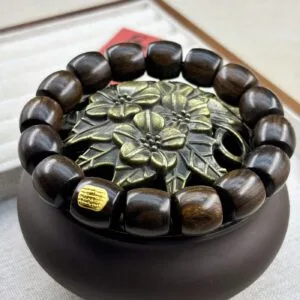
4. Include the small and the hard-won. Notice tiny pleasures, but also try occasionally appreciating a difficulty that taught you something. This keeps the practice honest and prevents it from feeling like forced cheerfulness. A small physical token, like a piece from our Calm & Clarity collection, can serve as a gentle reminder to pause and reflect.
5. Keep it short. Two or three minutes is enough. A brief, sincere moment beats a long, dutiful list. When the practice feels light and quick, you’ll keep coming back to it.
Tips to Keep It Going
The most common pitfall is that gratitude can start to feel rote, where you list the same three things on autopilot. To avoid this, vary your focus: one day notice people, another day notice your senses, another day notice something you usually take for granted. You can also occasionally write a short note of thanks to someone, which deepens the practice and brightens their day too. If you miss a day, simply start again without guilt; perfection isn’t the point.
It’s worth being clear-eyed about what gratitude is and isn’t. It’s a wellness practice that can support a more balanced outlook, not a cure for difficult circumstances or a replacement for professional help when you need it. Used honestly, it sits comfortably alongside other reflective habits, such as the end-of-day check-in in our evening review. Together, small practices like these add up to a more attentive, appreciative way of moving through ordinary days.
Frequently Asked Questions
How often should I practice gratitude?
Daily is a common goal, but a few times a week still makes a difference. What matters most is regularity over a long stretch rather than intensity in short bursts. Choose a rhythm you can realistically keep.
Do I have to write things down?
No. Writing helps many people because it slows them down and creates a record, but naming things mentally, aloud, or with a partner works too. Pick whichever format you’ll actually maintain.
What if I can’t think of anything to be grateful for?
Start very small, like clean water, a comfortable chair, or a quiet moment. On hard days the smallest things count most. The practice is about noticing what’s already there, not manufacturing big feelings.
Is a gratitude practice the same as positive thinking?
Not exactly. Gratitude is about noticing real things you appreciate, not denying difficulties or forcing optimism. Done well, it widens your perspective to include the good alongside the hard, rather than pretending the hard isn’t there.
Bringing It Together
A gratitude practice is the simple, portable habit of regularly noticing what you appreciate, and it asks only a couple of honest minutes a day. Keep it specific, anchor it to a routine, and let it stay light so you’ll return to it. If you’d like a gentle physical reminder to pause and reflect, explore our Daily Rituals collection.